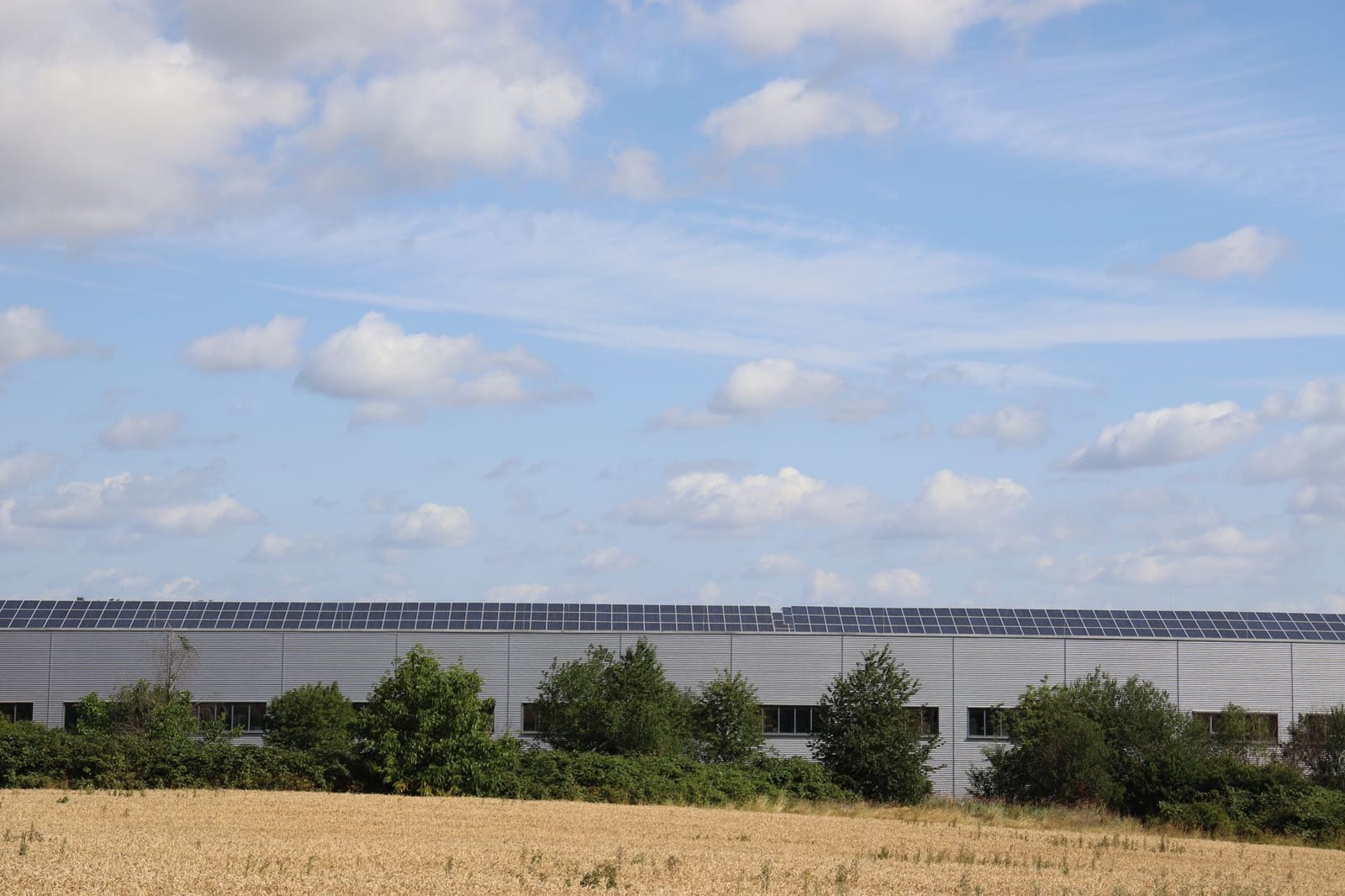
This site is an independent guide to solar panels for logistics, operated by SEO Dons Ltd. It is not an installer, and enquiries sent through its forms are read by SEO Dons Ltd and answered by email. Warehouses, distribution centres, fulfilment hubs, cold stores, and last-mile depots are not like other commercial buildings. They have the largest roofs in the country, the most demanding fire and insurer requirements, and lease structures that catch out installers who only know how to sell to owner-occupiers. The guides here are written specifically for these buildings.
Why logistics, specifically
UK logistics buildings have some of the largest roofs in the commercial estate, and most of them sit over a daytime electricity load that suits rooftop solar. Material handling charging, refrigeration, conveyor automation, and high-bay lighting all draw power when the sun is up. That makes the self-consumption economics on a logistics building better than on almost any other commercial property type. Cold chain in particular, with its round-the-clock refrigeration, usually has the shortest payback in logistics. The focus is logistics because the engineering is genuinely specialist and the returns for operators who get it right are substantial.
How this site works
This site is independent of any panel or inverter manufacturer. The guides explain what a good proposal looks like: built from half-hourly meter data and modelled in PVSyst, not estimated from a roof area and a rule of thumb. It should be designed from the outset to the standards that matter on a logistics building: the sprinkler designer's clearances and the insurer's requirements, wind loading to BS EN 1991-1-4, the RISCAuthority RC62 fire-safety code of practice, and F-gas compliant detailing on refrigerated roofs. An insurer pre-design review belongs in every project, because a large-roof PV install that the insurer has not signed off is a liability, not an asset.
Checking an installer's credentials
Before appointing any installer, check their accreditations against the issuing bodies' registers rather than taking them on trust, and ask who stands behind the workmanship warranty if the installer ceases trading, which matters on an asset you expect to run for 25 years. This site is not an installer and holds none of these accreditations.
What separates a logistics specialist from a generic installer
The commercial solar market filled up fast, and a lot of firms that learned on domestic rooftops moved into warehouses without learning the differences. The result is installs that ignore sprinkler clearances, designs the insurer rejects after fabrication, and quotes that leave out the survey or re-roof an asbestos cement roof may need. The insurance market has hardened against large-roof PV partly because of bad work. A good logistics installer does the unglamorous things properly: engages the insurer before fabricating, uses a green-lease addendum the landlord will accept, and says honestly when a roof is not worth it. A project that will not deliver is better declined than built.
If you want a straight view of whether your warehouse suits solar, with the numbers backed by your own meter data, send an enquiry: we reply by email with what a system could generate, what it could save and what it could cost, and say so if the honest answer is to wait.